

A definition of parenting given by the Cambridge dictionary is raising children and all responsibilities and activities that are involved in it 1. Parenting is the process of raising children and providing them with protection and care to ensure their healthy development into adulthood, according to the Encyclopedia Britannica 2. The American Psychological Association sates that parenting practices around the world share three major goals: ensuring children’s health and safety, preparing children for life as productive adults, and transmitting cultural values 3.

Generally, parenting practices are shaped and influenced by their own parents, grandparents, family members, friends, and particularly their religion, culture, and community. The Hindu view of upbringing children not only concentrates on facilitating the child to attain Artha- wealth and material prosperity, but also focusses on enabling children to work towards attaining all the four goals of life- Dharma (righteous duties), Artha (wealth), Kama (material desires), and Moksha (liberation) 4.
The Old Testament teachings provide Christians and Jews direct inspiration and guidance in Moses’s reminder to the Israelites regarding their obligation to their children and grandchildren. “Only be careful and watch yourselves closely so that you do not forget the things your eyes have seen or let them slip from your heart as long as you live. Teach them to your children and to their children after them” (Deuteronomy 4:9) 5.
Based on the above definitions and explanations, it is apparent that the primary responsibility of parents is to raise their children to become effective functioning adults. Parenting is all about nurturing their offspring and most parents do so through love, care, patience, kindness, gentleness, and wisdom. The parents of today, however, face greater pressures and expectations to make their children successful.


In their eyes, success entails great school performance and excellent test scores, social mobility, economic growth, and a respectable position in society. So, some parents prefer to nurture their children in a more controlled manner, emphasizing their children’s academic excellence. As a result of strict discipline, they believe that their children will develop positive attitudes, good habits and values that will lead to future success. Others, however, trust in their children’s abilities and encourage them to be assertive and optimistic and to listen to their ideas and opinions as well as mentor them. People like this believe that by giving their children the freedom to make their own choices, they are cultivating independence, self-reliance, and responsibility
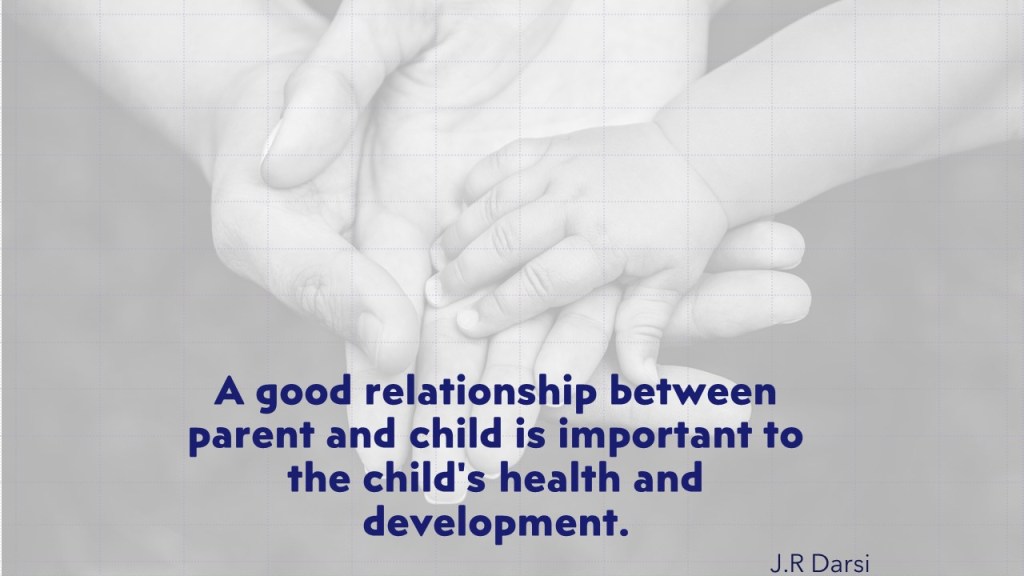
A good relationship between parent and child is important to the child’s health and development. My intent is not to endorse any parenting style, but to make parents aware of their own parenting qualities, their strengths and weaknesses and their children’s needs. Look at the way you train, educate, and raise your children. How would you describe your parenting style? What factors influence your parenting and are they good for your children? How satisfied are you with the way you raise your children? Would you say that what you teach your children is something you practice? Then, have faith that as they grow up, they will develop the habit of making prudent decisions and doing what is good and right.

Do not hesitate to share your ideas and opinions with us. For parenting support or empowerment, feel free to contact us. In the coming weeks, we will talk about different parenting styles and how to adopt positive, healthy parenting styles while avoiding destructive and negative styles.
References
1). https://dictionary.cambridge.org/dictionary/english/parenting
2). https://www.britannica.com/topic/parenting
3). https://www.apa.org/topics/parenting

 sagarcounsellingcentre.org