
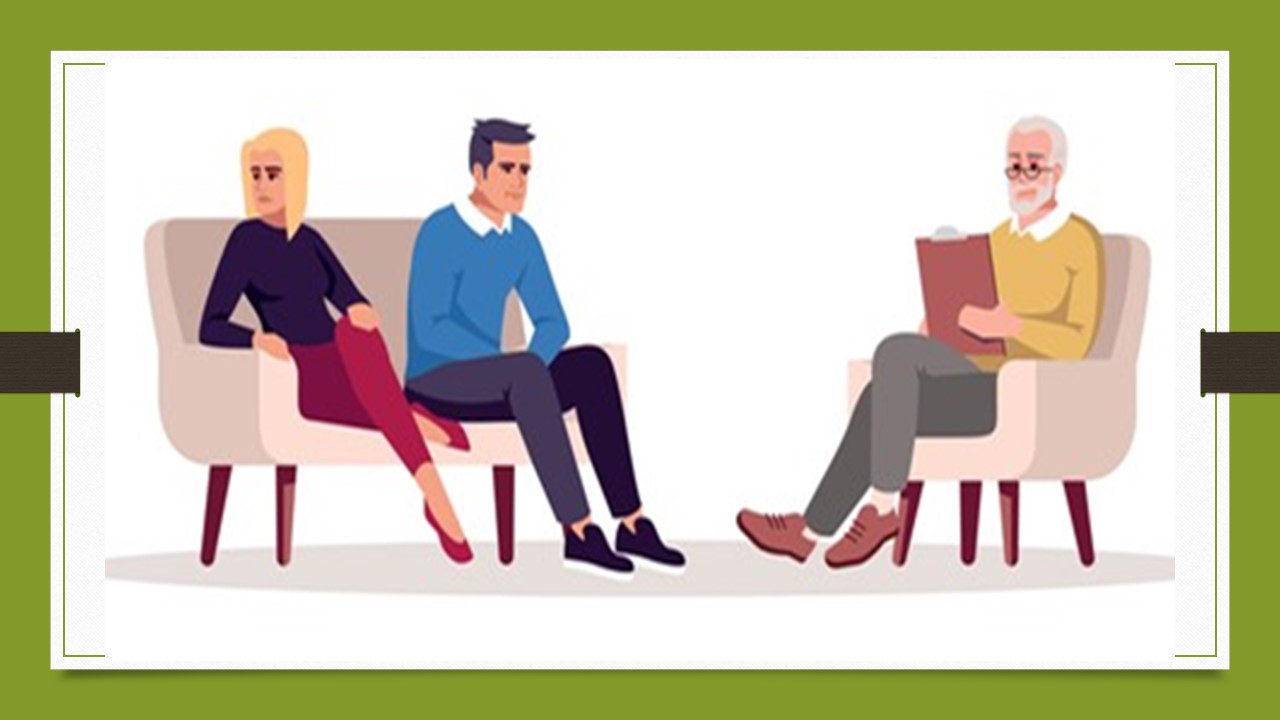
When couples have marital conflicts, a growing number of them immediately jump to the idea of divorce. Divorce can be a quite costly and very bitter and painful procedure and such experiences can leave both partners with scars that take years to heal. If children are involved, the pain may be even greater.
Fortunately, there are many ways in which spouses can resolve conflict and keep families intact without resorting to divorce. What many couples tend not to know is that marriage skills can be taught and learned. They can also get help from marital counsellors and mediators.

If the partners cannot resolve the dispute themselves, mediation often becomes the first step. Mediation is a voluntary, confidential, and private dispute resolution process that is meant to help the couples reach their own agreement. Mediation gives both sides a chance to communicate, listen, and think of resolutions, which makes the process more productive. The purpose and benefit of mediation is to build a peaceful resolution in the middle of difficulty while avoiding adversarial relationships. Mediation can assist couples, who want to stay in their marriage and renew their marital life, by understanding the source of conflict and envisioning a positive future that can be achieved. Family mediation helps divorcing or separating couples reach an agreement they can agree on and work out a better parenting plan to take care of their children after the divorce or separation.
Mediator with experience or training in conflict resolution or communication skills can objectively assess a couple’s strengths and weaknesses and offer practical ideas toward resolution. A mediator can assist in resolving issues related to marriage, separation, divorce, child support, alimony, property division, elder care, distribution of inherited property, and business succession. In the mediation process, the mediator is neutral, has no personal interest in the outcome, and does not favour anyone. The mediator is not a judge to impose a settlement or make decisions.
We may provide you with information about local laws and court procedures and tell you about other resources that are available, but we cannot give you legal advice.
 sagarcounsellingcentre.org